
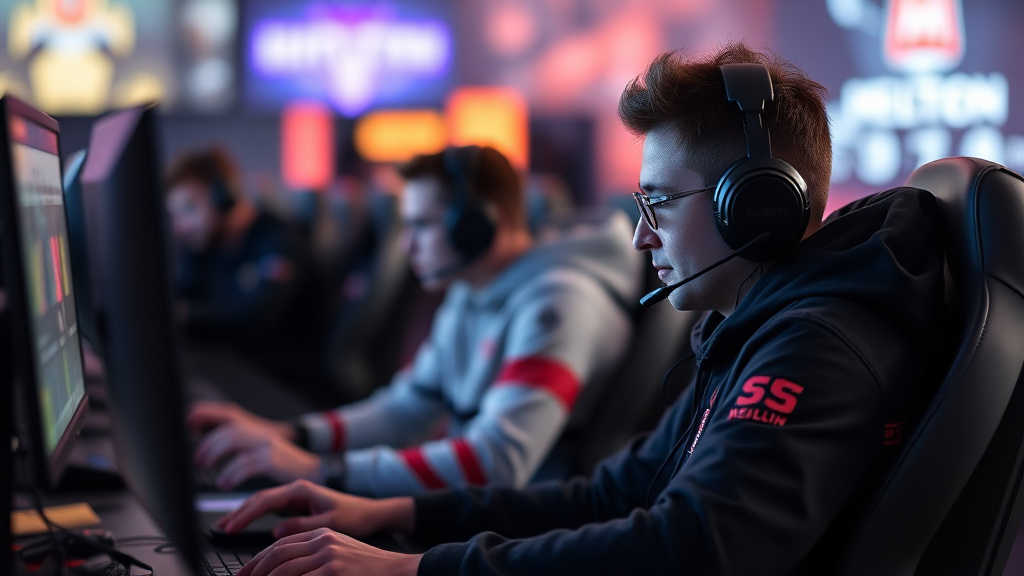
As esports emerges as a multibillion-dollar industry, professional teams are recognizing a critical truth: elite performance demands psychological resilience in addition to mechanical skill. Top franchises now spend millions in comprehensive mental health programs, employing sports psychologists, therapists, and wellness coaches to support their players. This article examines how top esports franchises are prioritizing mental wellbeing, the specific support systems they’ve established, and why this investment has become crucial for competitive success and player longevity in gaming’s most demanding arena.
The Rise of Mental Wellness Awareness in Professional Gaming
The esports industry has undergone a profound transformation in the past few years, transitioning from viewing mental health as a marginal priority to acknowledging it as critical to success in competition. Professional players now face unprecedented pressure—intense training regimens, intense competition, and ongoing media attention. This demanding environment has generated greater recognition among organizational leadership that psychological wellness substantially influences competitive results and athlete retention. Major organizations have come to understand that mental resilience is equally important as mechanical skill in winning championships.
Early recognition of mental health concerns in esports stemmed from troubling patterns within the community. Players described facing burnout, anxiety, depression, and stress-related issues at concerning levels. The competitive nature of professional gaming, coupled with unpredictable schedules and social withdrawal, produced ideal conditions for mental distress. As prominent players openly shared their mental health struggles, the stigma surrounding seeking help gradually decreased. Teams realized that ignoring these issues not only damaged individual players but also damaged team cohesion and organizational performance.
Today’s premier esports teams consider mental health funding as a strategic edge rather than an expense. Franchises competing at the highest levels now hire specialized mental health staff, showcasing organizational dedication to athlete wellness. This change demonstrates wider shifts in how professional gaming is viewed—no longer as a recreational pursuit but as a legitimate sport demanding full-scale support infrastructure. The investment in mental health infrastructure has developed into a hallmark of premier esports teams aiming for continued achievement.
The normalization of conversations about mental wellness within esports has created widespread positive impacts throughout the industry. Younger players entering professional ranks now require mental health support as standard procedure, not a luxury. Teams that embrace robust wellness initiatives report higher player satisfaction, decreased player turnover, and improved team dynamics. This cultural evolution demonstrates that emphasizing mental health isn’t merely ethical—it’s smart business strategy that enhances organizational performance.
Looking ahead, mental health awareness in esports keeps evolving as the industry matures. Industry stakeholders recognize that sustainable competitive success requires comprehensive athlete growth covering physical, mental, and emotional wellness. The investment in mental health programs signals a defining moment where esports positions itself alongside traditional sports in recognizing that elite-level competition demands comprehensive support systems tackling every dimension of player growth and care.
Full Support Systems and Resources
Integrated Mental Health Teams
Esports organizations are assembling specialized wellness teams including qualified mental health professionals, competitive sport psychiatrists, and wellness coordinators. These professionals collaborate closely to tackle player anxiety, pressure handling, and performance psychology. Teams like T1 and Fnatic have established internal wellness departments that offer individual therapy sessions, group workshops, and emergency support protocols. This holistic system ensures players have quick access to professional support customized for the particular demands of professional esports, including match anxiety, burnout prevention, and handling media attention.
Beyond individual therapy, organizations develop peer support networks and mentorship programs matching experienced players with newcomers. These organized connections build psychological resilience and create safe spaces for discussing mental challenges free from judgment. Many teams also work with sleep specialists and nutritionists who grasp the psychological dimensions of athlete wellness. Regular mental health assessments help identify emerging issues early, while confidential support ensures players feel confident seeking help without concern for their career prospects.
Health Initiatives and Preventive Health Services
Leading esports franchises have created comprehensive wellness initiatives going further than reactive therapy to preventative mental health care. These programs feature meditation instruction, meditation sessions, and cognitive behavioral therapy workshops designed specifically for gamers. Teams schedule regular wellness assessments, organize team-building activities that promote bonding, and create structured break periods to prevent burnout. Organizations understand that proactive wellness investments minimize emergency interventions and sustain optimal competitive output throughout demanding competitive schedules.
Facilities now feature relaxation spaces, fitness centers, and meditation rooms where players can unwind between practice sessions. Many teams deliver reduced-cost access to mental health apps, online therapy platforms, and wellness retreats. Organizations also deliver educational resources about recognizing mental health warning signs and promote open conversations about psychological wellbeing. This integrated framework demonstrates that esports franchises acknowledge sustainable success requires prioritizing player mental health as a essential foundation of organizational strategy.
Effects and Prospects Ahead
The commitment to mental health services is already showing concrete benefits across professional esports. Teams adopting extensive mental health programs report improved player performance, decreased exhaustion, and stronger team unity. Players with mental health services show sharper mental clarity during important games and quicker recovery from losses. These programs are transforming workplace culture, establishing mental health dialogue as normal, and establishing esports as an industry that genuinely cares about athlete wellbeing alongside competitive excellence.
- Mental health services contributes to stronger performance outcomes
- Reduced player burnout and career-ending stress-related attrition
- Strengthened team cohesion through improved communication skills
- Normalized mental wellness conversations within esports communities
- Drawing elite players seeking organizations with extensive support structures
Looking ahead, mental health investment in esports will likely become industry standard rather than a differentiator. As player unions gain strength and regulatory bodies establish wellness guidelines, teams without robust mental health programs may encounter recruitment challenges and performance disadvantages. The next generation of esports organizations will emphasize mental fitness alongside mechanical training, recognizing that long-term success requires comprehensive athlete development and comprehensive support systems.
The esports industry’s shift in direction of mental health prioritization signals maturity and professionalism. As the sector expands globally, mental wellness frameworks established by pioneering teams will serve as models for organizations worldwide. This shift ultimately serves players, organizations, and the entire esports ecosystem, fostering a healthier and more sustainable competitive space where athletes can thrive mentally and achieve peak performance.
