
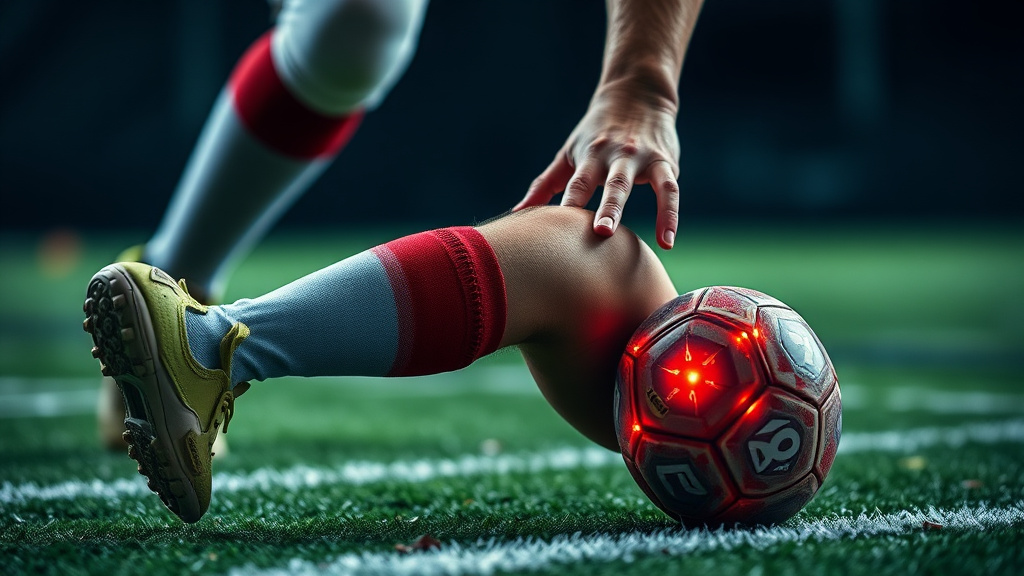
Football has long been synonymous with bodily contact, but the sport is undergoing a major overhaul. Sophisticated movement analysis, state-of-the-art imaging technology, and analytics-informed training systems are transforming how teams keep athletes safe. From wearable devices tracking immediate performance indicators to personalized injury prevention programs, performance science is revolutionizing football’s injury prevention environment. This article investigates how research breakthroughs and medical breakthroughs are lowering injury rates, prolonging player longevity, and ultimately enhancing player protection without diminishing competitive play and athletic competition.
Advanced Coaching Techniques and Biomechanical Analysis
Modern football organizations now leverage sophisticated biomechanical analysis to recognize movement characteristics that heighten injury likelihood. High-speed cameras, motion capture systems, and force plate technology provide detailed insights into how players speed up, slow down, and shift direction. Sports professionals and analysts use this findings to design targeted training interventions that fortify at-risk regions and optimize athletic performance. By comprehending the biomechanical forces affecting joints and muscles during competition, teams can apply corrective training that address individual weaknesses before they become severe injuries.
Customized conditioning programs demonstrate a paradigm shift from generic training approaches. Cutting-edge performance metrics now allow teams to adjust workload management, recovery strategies, and preventative training routines to every player’s distinct physical characteristics and prior injury records. Wearable sensors measure data including movement speed increases, muscle activation patterns, and physical irregularities in real-time across all athletic activities. This analytics-based strategy permits medical staff to respond ahead of time, modifying workout difficulty and proposing protective strategies prior to injury development, markedly lowering downtime from avoidable injuries.
Technological Integration in Injury Prevention
Modern football has adopted technological advancement as a foundation of injury prevention efforts. Sophisticated sensors, machine learning systems, and cloud-based data platforms now provide unprecedented insights into biomechanical performance and physical reactions. Teams utilize these technological advances to recognize danger signs before they occur, facilitating preventive measures that keep athletes safe while optimizing performance outcomes and sustaining their edge throughout intense competition periods.
Wearable Devices and Real-Time Monitoring
Wearable technology has transformed how teams monitor player health during training and competition. GPS trackers, accelerometers, and heart rate monitors deliver coaches and medical staff with continuous data streams revealing workload distribution, activity patterns, and fatigue levels. This real-time information facilitates quick modifications to workout intensity, recuperation plans, and playing time allocation. Athletes receive personalized feedback about their fitness status, promoting consciousness and compliance with injury prevention recommendations.
Combining wearable data with AI systems develops predictive models identifying injury risk. Machine learning systems assess historical patterns, measuring personal performance data against established baselines to identify small variations indicating elevated danger. This technology deliver advance notifications, prompting proactive treatment prior to injury development. Training staff can adjust training loads, adjust exercise techniques, or suggest extra recuperation strategies informed by algorithmic insights, substantially decreasing injury occurrence rates.
- GPS tracking monitors distance, speed, and acceleration patterns
- Heart rate variability reveals recovery and fatigue levels accurately
- Inertial measurement units capture irregular movement patterns and biomechanics
- Muscle oxygen sensors evaluate tissue oxygenation and metabolic strain
- Pressure-sensitive insoles examine walking mechanics and force impact
Medical Protocols and Rehabilitation Approaches
Modern football programs have adopted comprehensive medical procedures that prioritize athlete safety at every stage of the season. These established protocols include pre-season baseline evaluations, concussion protocols, and immediate injury evaluation on the sidelines. Medical teams now leverage advanced imaging technologies such as MRI and ultrasound for detailed diagnostic imaging, enabling speedier and more reliable treatment decisions. Collaborative approaches between doctors, athletic trainers, and strength coaches ensure that recovery strategies are tailored to individual player needs, substantially lowering re-injury rates and expediting return-to-play timelines.
Recovery methods have advanced considerably with the adoption of sports science research into daily training regimens. Teams now utilize evidence-based techniques including cryotherapy, compression therapy, and focused rehab work designed to regain capability and reduce long-term injury risk. Nutritional strategies, sleep optimization, and mental health support have become key parts of complete recovery systems. Additionally, workload monitoring systems assess training intensity and volume, allowing medical staff to regulate workloads dynamically and minimize repetitive strain injuries that regularly impact professional athletes throughout intense seasonal schedules.
